Slow Patagonia: Seeing Torres del Paine Without the Long Treks
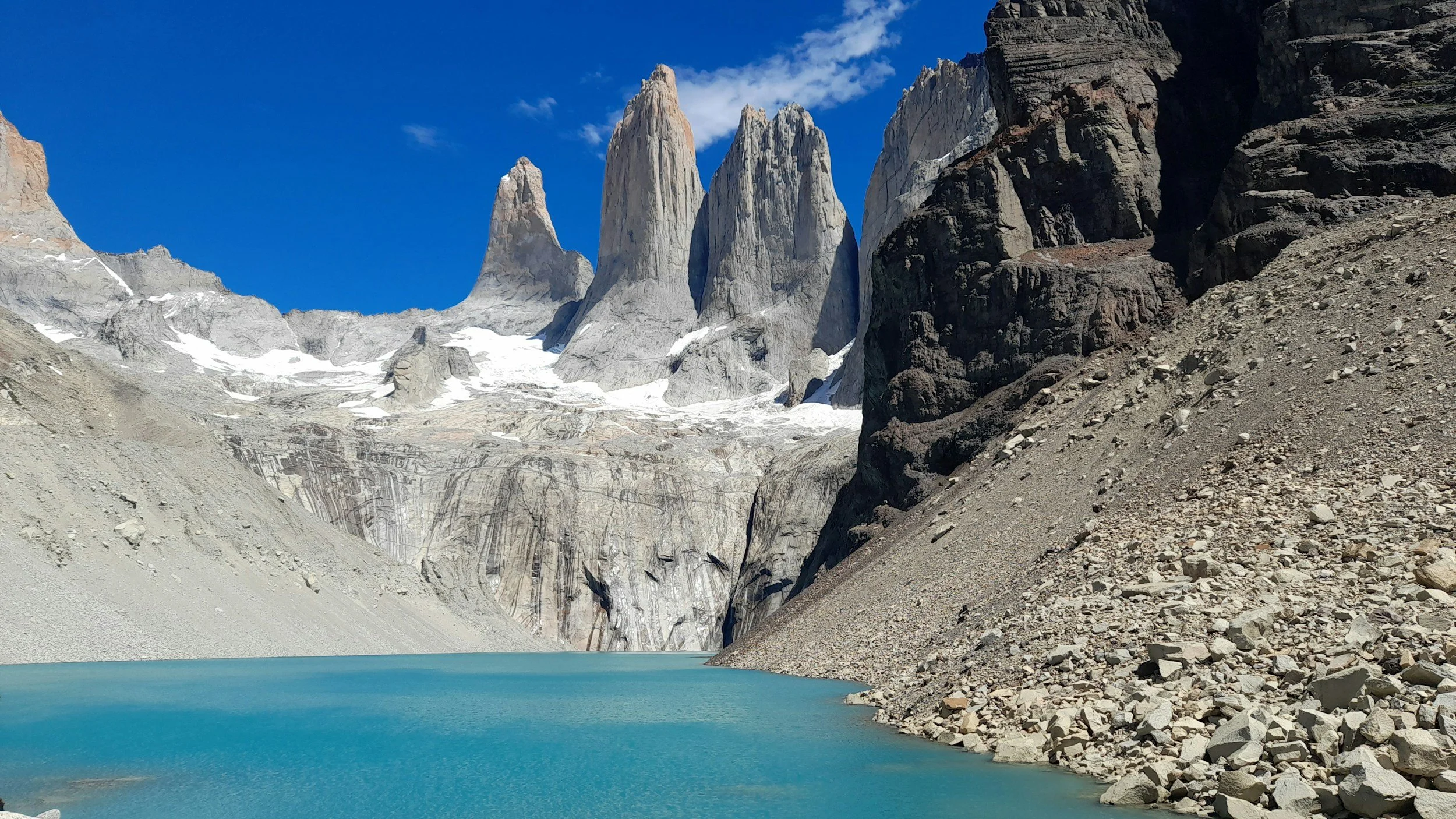
Patagonia is often sold as a test: miles to cover, summits to earn. But the wind does not ask how far you walked. The glaciers are just as blue from the deck of a boat.
The Short Answer
Yes, you can experience Torres del Paine without a multi-day trek. Wildlife drives, boat navigation, short walks, and time with local people show you the heart of Chilean Patagonia at a gentle pace.
Five Ways to Meet Patagonia Slowly
By road. A wildlife safari through Torres del Paine National Park brings guanacos, rheas, condors, and, with luck, a puma.
By water. A fast boat along the Serrano River reaches the Balmaceda Glacier, deep in fjord country.
On horseback. A day with gauchos at a traditional estancia, with a Magellanic barbecue, is Patagonia at its most authentic.
With your hands. A basketry workshop with Kawésqar artisans connects you to the people who have lived here for thousands of years.
In stillness. Forest bathing and yoga among southern beech trees turn the landscape into something you feel, not only see.
When to Go
Spring in Patagonia runs from October to early December. Days grow long, wildflowers appear, and the trails and viewpoints are far quieter than in January and February.
What to Expect From the Weather
Expect four seasons in one day. Pack layers, a windproof and waterproof jacket, a warm hat, and sunglasses. Then let the weather be part of the story.
Quick Answers
Do I need to be very fit to visit Torres del Paine?
No. With a guided itinerary built around drives, boats, and short walks, a moderate level of fitness is enough.
Can I see glaciers without hiking?
Yes. Several glaciers in the region can be reached by boat.
Where is the gateway to Torres del Paine?
Puerto Natales, a small town on the fjords of southern Chile.
Our women-only journey to Chilean Patagonia takes place on October 22 - 29, 2027. See the Chile itinerary or book a free call.Slow Patagonia: Seeing Torres del Paine Without the Long Treks