Machu Picchu Altitude: How to Prepare
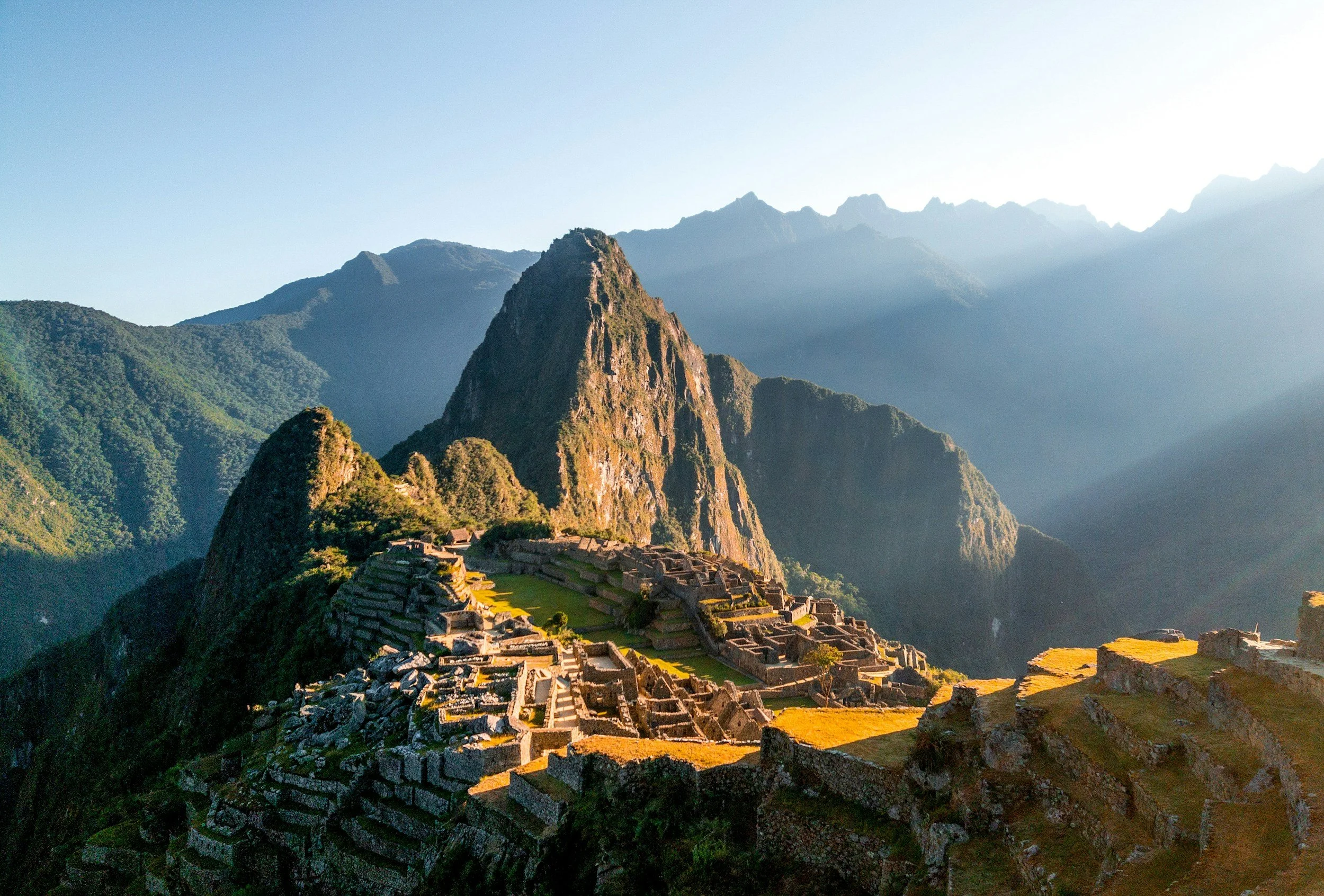
The Andes ask one thing of every visitor: slow down. Breathe. Let the mountains set the pace. If you listen, they give everything back.
The Short Answer
Machu Picchu sits at about 7,970 feet (2,430 m), which most travelers handle well. The real altitude challenge is Cusco, at about 11,150 feet (3,400 m). The best preparation is a smart route: start lower, climb gradually, rest on arrival, and drink plenty of water.
The Altitudes to Know
Lima: sea level.
Sacred Valley: about 9,400 feet (2,870 m).
Machu Picchu: about 7,970 feet (2,430 m).
Cusco: about 11,150 feet (3,400 m).
How Altitude Feels
In the first day or two, you may notice shortness of breath on stairs, a mild headache, tiredness, or lighter sleep. For most people, these pass as the body adjusts.
How to Prepare
Choose an itinerary that sleeps in the Sacred Valley before Cusco. Going lower first is the gentlest way to meet the Andes.
Keep your first afternoon at altitude quiet.
Drink water often, and go easy on alcohol for the first days.
Eat light meals.
Try coca tea, the traditional Andean remedy, offered almost everywhere.
Walk slowly. No one is timing you.
Before you travel, ask your doctor whether altitude medication makes sense for you, especially if you have a heart or lung condition.
How We Do It
Our Peru journey, A Landscape of Wonder (October 11 - 20, 2027), is built around acclimatization. We begin in Lima, fly to Cusco, and descend straight into the Sacred Valley, where the first afternoon is intentionally quiet. Machu Picchu comes next, and Cusco only at the end, with an oxygen therapy session included.
Quick Answers
Is Machu Picchu higher than Cusco?
No. Machu Picchu is about 3,000 feet lower than Cusco.
Do I need to be fit to visit Machu Picchu?
You need to be comfortable walking on uneven stone steps for a couple of hours. On a guided visit by train, no trekking is required.
How long does it take to adjust to the altitude?
Most travelers feel noticeably better after two or three days.